.svg)


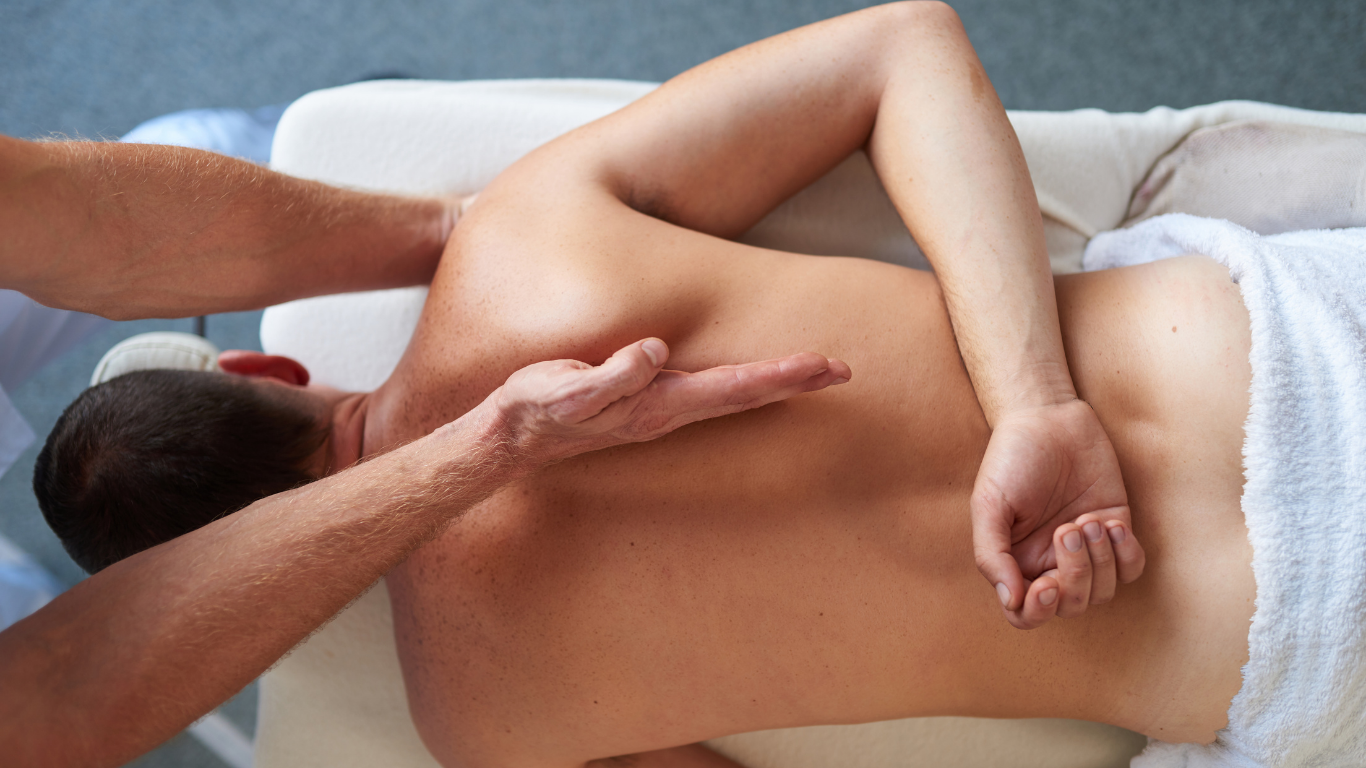
Tui Na Massage
Tui Na is not your average massage. At Oahu Central Earth Acupuncture in Aiea, HI, Tui Na is practiced as a true medical therapy — rooted in the same TCM principles as acupuncture and herbal medicine, and designed to do far more than simply relax tight muscles.
.png)
What Is Tui Na Massage?
Tui Na (pronounced "twee-nah") is a form of therapeutic bodywork that has been practiced in China for over 2,000 years. The name translates literally to "push and grasp" — a fitting description of the firm, rhythmic techniques used to manipulate soft tissue and stimulate the body's meridian system. Unlike Swedish or relaxation massage, Tui Na is a clinical therapy with specific diagnostic and treatment protocols, making it one of the most sophisticated and targeted forms of bodywork available.
Tui Na is considered one of the four pillars of Traditional Chinese Medicine alongside acupuncture, herbal medicine, and Qi Gong — and in China, it is practiced and taught at the same level of academic rigor as the other TCM disciplines.
How Does Tui Na Work?
During a Tui Na session, your provider uses a combination of pressing, rolling, kneading, stretching, and joint mobilization techniques applied to specific acupuncture points, meridians, and soft tissue structures. The manipulation stimulates the flow of Qi and blood through the body's pathways, releases blockages in the musculoskeletal system, and restores functional alignment between muscles, tendons, and joints.
Because Tui Na works directly on the meridians as well as the physical tissue, it addresses both the structural and energetic dimensions of pain and dysfunction — a distinction that sets it apart from conventional Western massage therapy. Your provider will use different techniques depending on the nature of your condition: more vigorous stimulation for stagnation and pain, gentler nourishing techniques for deficiency and fatigue.
At Oahu Central Earth Acupuncture, Tui Na is often incorporated into broader treatment sessions alongside acupuncture and cupping for a fully integrated TCM approach.
Tui Na's combination of physical manipulation and meridian stimulation makes it uniquely effective for conditions that sit at the intersection of structural and energetic imbalance.

How Often Should You Come In for Tui Na?
Tui Na frequency is guided by the same principles as other TCM therapies — the more acute or chronic the condition, the more intensive the initial treatment schedule.
For acute pain or injury, coming in 2–3 times per week in the early stages can dramatically accelerate recovery and prevent acute issues from becoming chronic.
For chronic musculoskeletal conditions or ongoing stress and tension, weekly sessions are typically recommended initially, tapering to biweekly or monthly maintenance as your body responds and symptoms stabilize.
Because Tui Na works best as part of a comprehensive TCM treatment plan, Dr. Yang will assess your needs during your first visit and recommend the combination of therapies — whether acupuncture, cupping, Gua Sha, or Tui Na — that will produce the best results for your body and goals.
FAQ
FAQs
Answers to your frequently asked questions.
Is Tui Na the same as a regular massage?
Tui Na shares some surface similarities with Western massage — both involve hands-on bodywork — but they are fundamentally different in purpose and approach. Regular massage primarily targets muscle relaxation and stress relief. Tui Na is a clinical TCM therapy with specific diagnostic reasoning behind every technique applied. It works on the meridian system as well as the physical tissue, making it a more targeted and therapeutically complex treatment.
Is Tui Na painful?
Tui Na can feel intense, particularly on areas of significant tension or stagnation, but it should never be acutely painful. Some techniques involve firm pressure and deep tissue manipulation that may feel similar to a deep tissue massage — uncomfortable in the moment but deeply relieving afterward. Your provider will always calibrate pressure and technique to your comfort level and the nature of your condition.
What should I wear to a Tui Na session?
Tui Na is typically performed over light, comfortable clothing — loose-fitting pants and a t-shirt are ideal. Unlike oil massage, Tui Na does not require direct skin contact for most techniques, though your provider may work directly on the skin for certain areas. We recommend leaving jewelry at home and arriving in clothing you can move comfortably in.
Can Tui Na help with conditions beyond muscle pain?
Absolutely. While Tui Na is most commonly associated with musculoskeletal conditions, its effects on the meridian system make it applicable to a much broader range of health concerns — including digestive issues, headaches, insomnia, and stress-related disorders. In pediatric TCM, a gentler form of Tui Na is even used to treat children's health conditions. During your consultation, Dr. Annie will determine whether Tui Na is an appropriate therapy for your specific health goals.
Contact Us
We Accept Insurance
We believe healing should be accessible to everyone. That's why we're proud to accept a variety of insurance plans, making it easier for you to prioritize your health and well-being without the added stress of out-of-pocket costs.
Not sure if your plan is covered? We're happy to help you navigate your benefits — just give us a call or send us a message and we'll take care of the details so you can focus on feeling your best.